6 Problems Forex Brokers Face and How to Solve Them

Why Modern Brokerages Need an Advanced FX CRM
Running a successful brokerage today is more complex than ever. The FX market is highly competitive, highly regulated, and technology-driven. Brokers must manage client relationships, comply with regulations, operate offshore if needed, and optimize internal operations — all while keeping traders engaged.
One of the most effective ways to tackle these challenges is through a robust FX CRM. From compliance tracking to client retention, an advanced CRM provides the tools brokers need to operate efficiently and scale successfully.
In this article, we explore the challenges FX brokers face and explain how an FX CRM can be the solution.
1. Regulatory Compliance and FX CRM Integration
The Challenge
Regulation remains one of the toughest hurdles for FX brokers. Authorities like the Financial Conduct Authority (FCA), CySEC, Australian Securities and Investments Commission (ASIC), and European Securities and Markets Authority (ESMA) have imposed stricter rules on leverage, disclosures, and reporting.
While these regulations protect retail traders, they increase operational complexity. Brokers now need to:
Maintain extensive records
Track client risk profiles
Demonstrate compliance with leverage and disclosure rules
Failing to comply can result in fines, license suspension, or reputational damage.
The Solution: FX CRM for Compliance
An FX CRM streamlines regulatory compliance by:
Automatically collecting and storing KYC/AML documentation
Logging client communications and risk disclosures
Tracking client suitability questionnaires
Generating regulatory reports in seconds
By centralizing compliance data, brokers reduce manual work, minimize human error, and ensure they are always audit-ready.
2. Offshore Licensing and Banking Challenges
The Challenge
Many brokers pursue an offshore license in jurisdictions like:
Seychelles
Belize
Vanuatu
Offshore licenses allow higher leverage, faster approvals, and flexibility. However, opening and maintaining bank accounts for offshore entities is one of the most underestimated challenges FX brokers face.
Banks often view offshore brokers as high-risk clients because of:
Anti-money laundering concerns
Chargeback exposure
Regulatory arbitrage
Reputational risk
This can lead to rejected bank applications, sudden account closures, or limited access to payment processing.
The Solution: FX CRM + Payment Integration
A modern FX CRM can integrate banking and payment tools to address these challenges:
Connect with multiple PSPs to reduce dependency on a single bank
Manage client deposits, withdrawals, and reconciliation in one system
Monitor high-risk transactions automatically for AML compliance
Track fund segregation to ensure client money is secure
With these capabilities, offshore brokers can operate more reliably and maintain trust with both clients and financial institutions.

3. Driving Brokerage Growth Without Bonuses
The Challenge
Traditionally, brokers relied on high-value bonuses and promotions to attract clients. Today, many jurisdictions limit or ban such incentives. This makes it harder to grow a brokerage using traditional methods.
The Solution: FX CRM to Enhance Client Experience
Brokers can attract and retain clients by offering value beyond bonuses:
Personalized account management
Educational content and market insights
Real-time alerts and analysis
Transparent trading statistics via platforms like Myfxbook
An FX broker CRM tracks client activity, helping brokers identify which clients are active, which need support, and which are at risk of churn. This data-driven approach allows for smarter client engagement strategies without relying on bonus-driven promotions.
4. Marketing Challenges in a Restricted Environment
The Challenge
Advertising restrictions make paid marketing for high-risk financial products difficult. Platforms like Google, Meta, and LinkedIn limit or prohibit forex ads. Compliance rules add an extra layer of complexity for brokers seeking online visibility.
The Solution: FX CRM + Organic Growth
Brokers can combine FX CRM insights with organic marketing:
Track which blog posts, webinars, and newsletters attract leads
Segment clients by trading interests and deliver personalized campaigns
Monitor engagement to refine SEO strategy
Identify which leads are most likely to convert
An FX CRM ensures that marketing efforts are informed by real data, making it easier to grow traffic and convert leads while remaining compliant.
5. Technology Infrastructure Challenges
The Challenge
Many brokers focus only on trading platforms like MetaTrader 4 or MetaTrader 5. However, back-office operations are often neglected. Manual KYC processing, spreadsheet tracking, and disconnected systems create inefficiencies and errors.
The Solution: FX CRM as a Central Hub
A modern FX CRM centralizes technology infrastructure:
Integrates trading platform data
Automates KYC and AML compliance
Generates real-time revenue and performance reports
Tracks client communications across email, chat, and phone
Supports multi-entity operations, including offshore branches
By centralizing all critical processes, brokers reduce operational risk, improve client experience, and free staff to focus on growth and strategy.
6. Reputation Management in the FX Industry
The Challenge
The forex industry struggles with credibility. Unlicensed brokers or those offering extreme leverage can damage trust, making it harder for legitimate brokers to attract clients.
The Solution: FX CRM for Transparency
An FX CRM helps brokers build trust by:
Displaying accurate account performance
Logging all client interactions
Maintaining transparency in communications
Providing data for client reporting
By demonstrating accountability and professionalism, brokers differentiate themselves from less reputable competitors, addressing one of the most critical challenges FX brokers face.
7. Client Retention and Cost Optimization
The Challenge
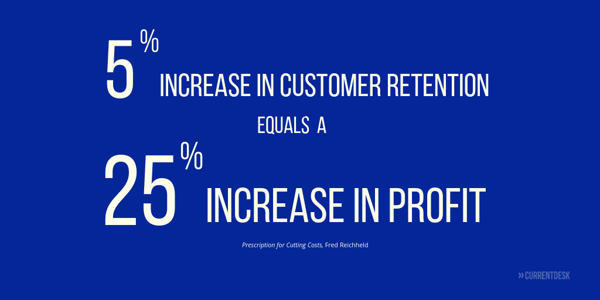
Acquiring a new client can cost $850–$1,200, but many traders leave after only a few months. Retention is both a financial and operational challenge.
The Solution: FX CRM for Retention
A robust FX CRM helps brokers retain clients through:
Personalized education and trading insights
Automated alerts for inactive accounts
Loyalty programs based on trading behavior
Tailored recommendations to keep clients engaged
By creating value beyond trading profits, brokers increase long-term client loyalty and reduce acquisition costs.
8. Summary: Why an FX CRM Is Essential
Looking at the landscape, one thing is clear: brokers cannot succeed today without a technology backbone that integrates compliance, client management, and operational efficiency.
An FX CRM provides solutions for:
Regulatory compliance and reporting
Offshore licensing and banking challenges
Marketing and lead management
Technology integration and automation
Reputation management
Client retention and engagement
Investing in a purpose-built FX broker CRM not only addresses the current challenges but also positions a brokerage for sustainable growth.