Operating a Forex Broker in Less Regulated Forex Markets
How an Offshore Forex License Can Power Brokerage Growth
Financial regulators across the world have significantly tightened oversight of Forex brokers over the past decade. From higher capital requirements to product restrictions and strict marketing rules, operating in traditional financial centers has become more expensive and complex than ever before. As a result, many brokerage owners are actively exploring alternative jurisdictions and choosing to operate under an offshore Forex license.
This trend is not about avoiding compliance or lowering standards. Instead, it reflects a strategic shift toward jurisdictions that balance operational freedom with credibility, allowing brokers to remain competitive in a global marketplace.
Whether you are launching a new brokerage or expanding an existing one, understanding the opportunities and challenges associated with an offshore Forex license is critical. This guide explores why brokers choose less-regulated markets, the benefits they offer, the common obstacles, especially banking and how to overcome them while maintaining trust with clients.
Understanding Less Regulated and Offshore Markets
When people talk about “offshore” jurisdictions, they often lump together very different regulatory environments. In reality, offshore markets generally fall into two categories:
- Jurisdictions with minimal financial regulation
- Jurisdictions with lighter but structured regulatory frameworks
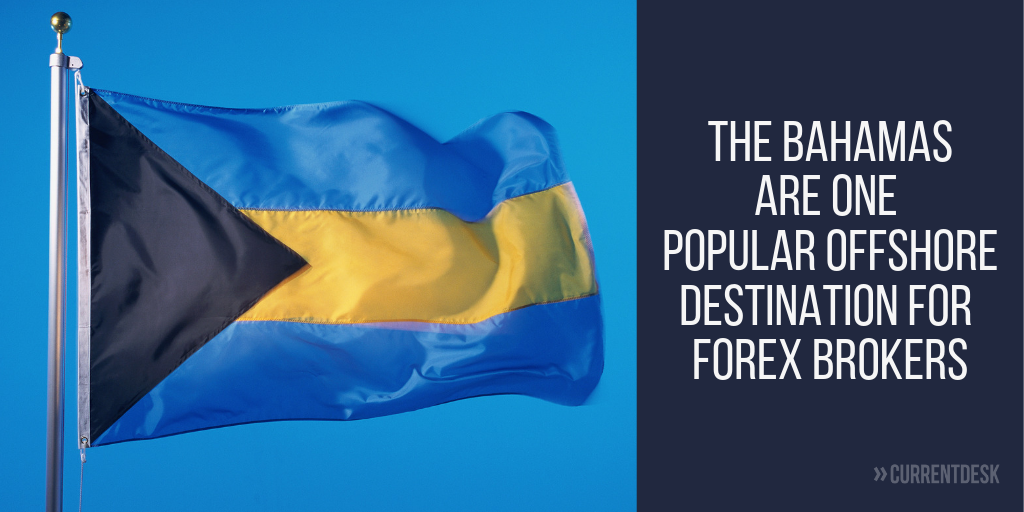
Most brokers today pursue the second option. An offshore Forex license issued by a recognized authority such as those in Vanuatu, the Bahamas, Seychelles, Cayman Islands, or Mauritius still involves compliance, reporting, and operational requirements, just without the extreme cost and rigidity of top-tier regulators.
Over the past few years, well known brokers have publicly cited regulatory pressure as a reason for expanding offshore. FxPro, for example, opened operations in the Bahamas after regulatory changes in Europe limited leverage and promotional flexibility. Gain Capital has maintained licensing in the Cayman Islands for more than a decade, demonstrating that offshore regulation can support long term, reputable operations.
Other brokers take a hybrid approach. Accuindex is registered in Vanuatu while maintaining offices in London and Dubai. EGM Securities is regulated in Kenya but partners with licensed entities across multiple regions. These structures allow firms to tailor their offerings to different client profiles while remaining compliant.
Why Brokers Choose an Offshore Forex License
Lower Capital Requirements
One of the most immediate advantages of an offshore Forex license is reduced capital requirements. In heavily regulated jurisdictions such as the EU, brokers must maintain regulatory capital of €730,000 or more under ESMA guidelines. In contrast:
- Vanuatu requires approximately $50,000
- Seychelles requires around $100,000
- The Bahamas typically requires $100,000-$300,000, depending on the scope of services and whether client funds are held
- Bermuda has no fixed minimum capital requirement for certain license categories
Lower capital requirements free up funds for technology, marketing, liquidity, and customer support areas that directly impact growth and client satisfaction.
Faster Setup and Operational Flexibility
Obtaining an offshore Forex license is typically faster than securing approval from top-tier regulators. In many jurisdictions, the licensing process can be completed in a few months rather than a year or more.
Operational flexibility is another major draw. Offshore regulators often allow:
- Higher leverage offerings
- A wider range of tradable instruments
- Flexible bonus structures
- Less restrictive marketing language
This flexibility allows brokers to respond to market demand rather than regulatory ceilings.
Access to Global Talent at Lower Costs
Several offshore jurisdictions offer access to highly skilled professionals at significantly lower costs than major financial hubs. Countries such as South Africa, Belarus, Georgia, and parts of Eastern Europe have deep pools of developers, support staff, and risk professionals who understand brokerage operations.
When paired with an offshore Forex license, these talent markets allow firms to scale efficiently without sacrificing quality.
Client Demand and Product Freedom
Client behavior is a major driver behind offshore expansion. Many retail traders actively seek brokers offering:
- Higher leverage ratios
- Bonuses and trading credits
- Fewer trading restrictions
- Flexible account structures
Regulators following ESMA and similar frameworks have imposed strict leverage caps and bonus bans to protect retail investors. While these rules are well intentioned, they often push experienced traders toward brokers operating under an offshore Forex license.
By setting up in a less regulated jurisdiction, brokers can legally meet this demand provided they communicate risks transparently and operate responsibly.
The Biggest Challenge: Banking with an Offshore Forex License
While the benefits are clear, operating under an offshore Forex license is not without challenges. The most common and critical issue brokers face is opening and maintaining bank accounts.
Why Banking Is Difficult Offshore
Many international banks view offshore brokers as high risk due to:
- Perceived regulatory gaps
- AML and KYC concerns
- Reputational risk
- Complex client fund flows
As a result, brokers may experience:
- Rejected bank applications
- Long onboarding timelines
- Account closures with little notice
- Limited access to payment rails
This is often the single biggest obstacle for new offshore brokerages.
Practical Solutions to Offshore Banking Challenges
Despite these difficulties, successful brokers consistently use the following strategies:
- Work with Forex Friendly Banks and EMIs
Certain banks and electronic money institutions specialize in servicing Forex brokers with an offshore Forex license. These institutions understand trading models, client fund segregation, and compliance requirements.
- Use a Multi Jurisdiction Banking Structure
Many brokers combine:
- An offshore operational account
- A payment account in a mid-tier jurisdiction
- Client fund accounts with EMIs
This structure reduces dependency on a single institution.
- Strengthen Compliance Documentation
Strong AML/KYC policies, transaction monitoring tools, and audit ready reporting dramatically improve banking approval rates – even in offshore setups.
- Partner with Banking Introducers
Specialized introducers and consultants maintain direct relationships with banks willing to onboard offshore Forex brokers, significantly shortening timelines.
With the right setup, banking challenges are manageable and should not deter firms from pursuing an offshore Forex license.
Maintaining Trust While Operating Offshore
A persistent myth is that brokers operating offshore are inherently less trustworthy. In reality, trust depends on transparency, service quality, and operational discipline not geography.
However, perception matters, especially for new clients. Brokers using an offshore Forex license should take proactive steps to build confidence.
Maintain a Physical Presence
Having a real, staffed office in your licensed jurisdiction or in a recognized financial hub signals legitimacy. Even if clients never visit, it reassures them that your firm is not a shell operation.
Offer a Dual-License or EU-Compliant Option
Many successful brokers operate both:
- A strictly regulated entity (EU, UK, Australia)
- An offshore entity offering expanded products
This allows clients to choose their preferred regulatory environment and often migrate internally as trust grows.
Invest in Customer Support and Transparency
Excellent service is one of the most underrated trust signals. Fast withdrawals, clear communication, and responsive support do more to build credibility than any license badge.
Make sure your forex broker uses a system that offers a client portal, where clients can log in, make transactions and run reports – akin to what they are used to from their online banking.
Clear risk disclosures and honest marketing are especially important when offering higher leverage under an offshore Forex license.
Is an Offshore Forex License Right for Your Brokerage?
Choosing the right jurisdiction is a strategic decision-not a shortcut. An offshore Forex license makes sense if:
- You serve international clients
- You want product flexibility
- You understand cross-border compliance
- You can invest in proper banking and AML infrastructure
It may be less suitable if your business model depends solely on highly regulated retail markets.
The most successful brokers align their regulatory strategy with their target audience, operational capacity, and long-term growth plans.
Final Thoughts
As global Forex regulation continues to tighten, offshore jurisdictions remain an essential part of the brokerage ecosystem. An offshore Forex license can reduce costs, increase flexibility, and unlock new client segments-when implemented correctly.
The key is balance: combining regulatory efficiency with strong compliance, transparent operations, and reliable banking solutions. Brokers who take this approach not only survive regulatory change-they thrive because of it.
If you’re planning a new brokerage or expanding internationally, carefully evaluate which regulatory framework best supports your goals. With the right structure, an offshore Forex license can be a powerful foundation for sustainable growth.