Understanding the Modern Forex Trader: Insights for Brokers and Financial Firms
One of the best ways to deliver excellent service to Forex traders is to understand them deeply. In the world of currency markets, knowing the behavior, motivations, and expectations of Forex traders can give brokerages a strong competitive advantage. Whether you operate a brokerage, financial advisory firm, or fintech platform, understanding your audience helps you design services, educational resources, and marketing strategies that resonate.
To better understand market participants, we analyzed research from dozens of academic journals, banking reports, and financial institutions. One particularly valuable study is The Retail Spot Foreign Exchange Market Structure and Participants by Dr. John Forman, a recognized forex expert whose research focuses on behavioral finance. His work offers a detailed view of how retail participants behave, what motivates them, and what influences their decision-making.
Below, we expand on some of the most important insights from this research and explore how brokers can use these findings to better serve their clients.
The Growth of Retail Currency Trading
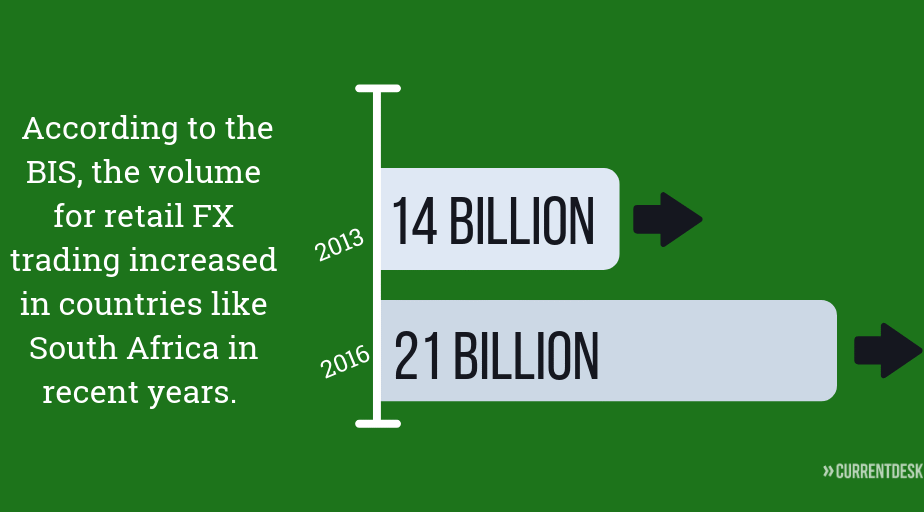
Over the past two decades, the number of individuals participating in currency markets has grown dramatically. Advances in online trading platforms, increased internet access, and the rise of mobile trading apps have made it easier than ever for individuals to participate in global financial markets.
Historically, foreign exchange trading was dominated by banks, multinational corporations, and institutional investors. Today, retail market participants represent a meaningful share of global trading activity.
These modern investors often come from diverse backgrounds. Some are professional investors, while many are independent retail participants looking to diversify their portfolios or speculate on currency movements. A significant portion also comes from emerging markets where access to international financial markets has expanded rapidly.
Understanding this demographic shift is essential for brokerages seeking to attract and retain Forex traders.
Speculation as a Major Motivation
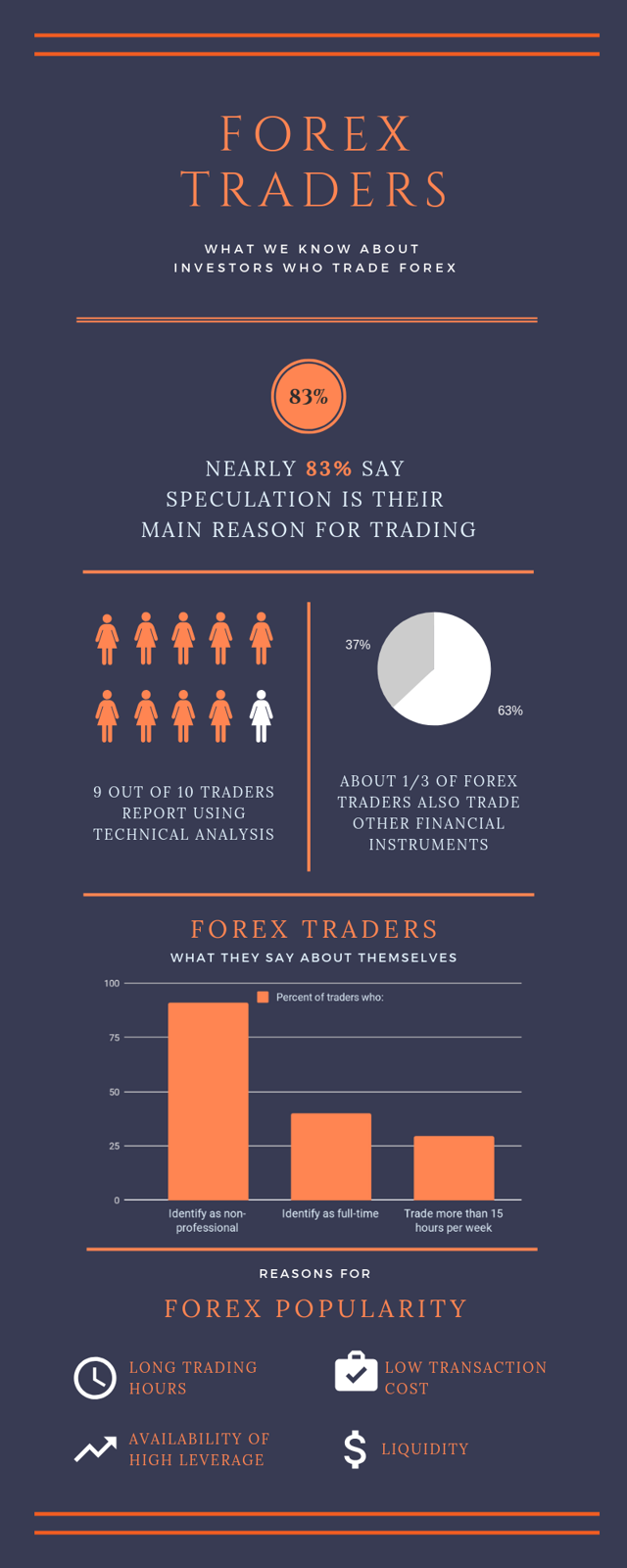
One of the most interesting insights from the research is the role of speculation in currency trading behavior. While some Forex traders participate in currency markets for hedging or diversification, a large percentage are motivated by speculative opportunities.
Currency markets operate twenty-four hours a day during the trading week, providing constant opportunities to respond to global economic news, geopolitical events, and market sentiment. This continuous trading environment is particularly appealing to retail participants who may also work full-time jobs and trade during evenings or early mornings.
Because speculation is such a powerful motivator, brokerages should consider highlighting the dynamic nature of currency markets in their marketing materials. Educational content that explains how price movements occur and how traders interpret market signals can also be highly valuable.
Technical Analysis and Trading Education
Another important finding from the research is the widespread use of technical analysis among retail market participants. Chart patterns, indicators, and historical price data play a central role in many trading strategies.
Retail Forex traders often spend significant time learning about tools such as moving averages, support and resistance levels, Fibonacci retracements, and candlestick patterns. For many individuals, mastering these techniques becomes part of the appeal of participating in the foreign exchange market.
Brokerages can strengthen relationships with their Forex traders by offering educational resources such as:
- Webinars covering technical analysis
- Strategy guides for beginners and intermediate traders
- Interactive charting tools
- Regular market analysis reports
Providing these resources help Forex traders improve their skills while building trust with the brokerage platform.
What Forex Traders Look for in a Brokerage
Research also shows that currency investors tend to evaluate brokerages based on several critical factors. These include trading hours, transaction costs, leverage options, liquidity, and execution speed.
Access to global markets around the clock is one of the most attractive features of the foreign exchange market. Competitive spreads and low transaction costs are also extremely important because active traders may execute a large number of transactions each month.
Leverage is another major consideration. Many participants are attracted by the ability to control larger positions with relatively small amounts of capital. However, responsible brokerages must ensure that clients understand the risks associated with leveraged trading.
By emphasizing transparency and fair pricing, brokers can build stronger relationships with Forex traders and position themselves as trusted partners in the trading process.
Expanding Beyond Currency Trading
Interestingly, many individuals begin their investment journey focusing exclusively on currency markets but eventually expand into other financial products. Stocks, commodities, indices, and cryptocurrencies often become natural extensions for more experienced traders.
Financial advisors and brokerage representatives should be trained to discuss additional investment products that may complement a client’s goals. Offering diversified trading options can increase client retention and improve overall customer lifetime value.
For example, investors who already analyze macroeconomic trends may find commodities or stock indices appealing. Providing easy access to multiple asset classes allows clients to build more sophisticated strategies while remaining within the same trading ecosystem.
Offshore Licensing Challenges for Brokers
Many brokerages that serve international clients choose to operate under offshore financial licenses. These jurisdictions can offer faster licensing processes, lower regulatory costs, and more flexible leverage rules compared to major financial centers.
However, offshore licensing can also introduce operational challenges. One of the most common issues is obtaining and maintaining reliable banking relationships.
Banks often view offshore financial companies as higher-risk clients due to regulatory complexity and compliance requirements. As a result, brokerage firms may encounter difficulties such as:
- Opening corporate bank accounts
- Processing international payments
- Accessing multi-currency accounts
- Maintaining stable payment processing channels
These challenges can affect both operational efficiency and the overall client experience.
A Practical Solution: Financial Infrastructure Providers
A growing number of brokers address these banking challenges by working with specialized financial infrastructure providers. These companies focus on supporting brokerages, fintech platforms, and international financial services businesses.
Such providers can help firms access:
- Multi-currency payment accounts
- Global payment gateways
- Alternative banking partners
- Compliance and risk management tools
By partnering with experienced infrastructure providers, brokers can overcome banking barriers and ensure clients have smooth access to deposits and withdrawals. Reliable payment infrastructure plays a crucial role in building trust with forex traders, especially in a competitive global market.
Communicating with Clients Effectively
When creating marketing materials, educational resources, or platform content, maintaining a professional and transparent tone is essential. Currency market participants tend to be analytical and data-driven, so content should focus on facts, research, and actionable insights.
Brokerages should emphasize:
- Market transparency
- Educational support
- Reliable trading technology
- Competitive pricing
- Responsible risk management
Clear communication helps establish credibility and fosters long-term relationships with clients.
Using Data to Serve Clients Better
The global community of currency traders continues to expand as technology makes financial markets more accessible than ever. By studying investor behavior and motivations, brokerages can create better products, stronger educational programs, and more effective marketing strategies.
From understanding speculative motivations to addressing offshore licensing challenges, insights from academic research and industry data provide valuable guidance for firms operating in the currency trading sector.
Ultimately, the most successful brokerages will be those that truly understand their clients and continuously adapt their services to meet the evolving needs of the market. Learn how CurrentDesk can help you and ask for a demo.

Ron
Ron S.
Executive Director & FinTech Founder
FinTech strategist and McGill alum with a dual background in AI/Computer Science and Finance. With 18+ years of experience—from leading global trading desks to founding CurrentDesk—I specialize in bridging the gap between complex algorithmic systems and global capital markets to drive institutional growth.